
Willie Geist Shares Heartbreaking Update on Father’s Parkinson’s Disease Progression
Willie Geist, the well-known television personality, recently revealed a deeply emotional update about his father’s health. During a recent medical examination, Willie learned that his father’s Parkinson’s disease has significantly worsened, leading to serious complications. This news has left Willie grappling with the reality that his father may not have much time left. In this article, we explore Willie Geist’s candid reflections on his father’s condition, the impact of Parkinson’s disease on families, and the importance of awareness and support for those affected.
Willie Geist Opens Up About His Father’s Worsening Parkinson’s Disease

Parkinson’s disease is a progressive neurological disorder that affects movement and can lead to a variety of complications over time. Willie Geist’s recent disclosure sheds light on the emotional toll this disease takes not only on patients but also on their loved ones. During a routine medical checkup, Willie was informed that his father’s condition had deteriorated, causing new health challenges that have made daily life increasingly difficult.
Willie expressed his heartbreak and vulnerability, stating, “I know he may not have much time left.” This candid admission highlights the uncertainty and fear that many families face when dealing with chronic illnesses like Parkinson’s. The progression of the disease often leads to a decline in motor skills, cognitive function, and overall quality of life, making caregiving a demanding and emotional journey.
The Impact of Parkinson’s Disease on Families and Caregivers

Parkinson’s disease affects more than just the individual diagnosed; it profoundly influences the lives of family members and caregivers. The emotional strain of watching a loved one’s health decline can be overwhelming. Willie Geist’s openness about his father’s condition brings attention to the need for emotional support and resources for families navigating this challenging path.
Caregivers often experience stress, anxiety, and exhaustion as they manage the complex needs of Parkinson’s patients. The disease’s progression can lead to increased dependence on others for daily activities, which can be difficult for both the patient and their family. Willie’s story serves as a reminder of the importance of compassion, patience, and understanding during these times.
Raising Awareness and Supporting Parkinson’s Disease Research
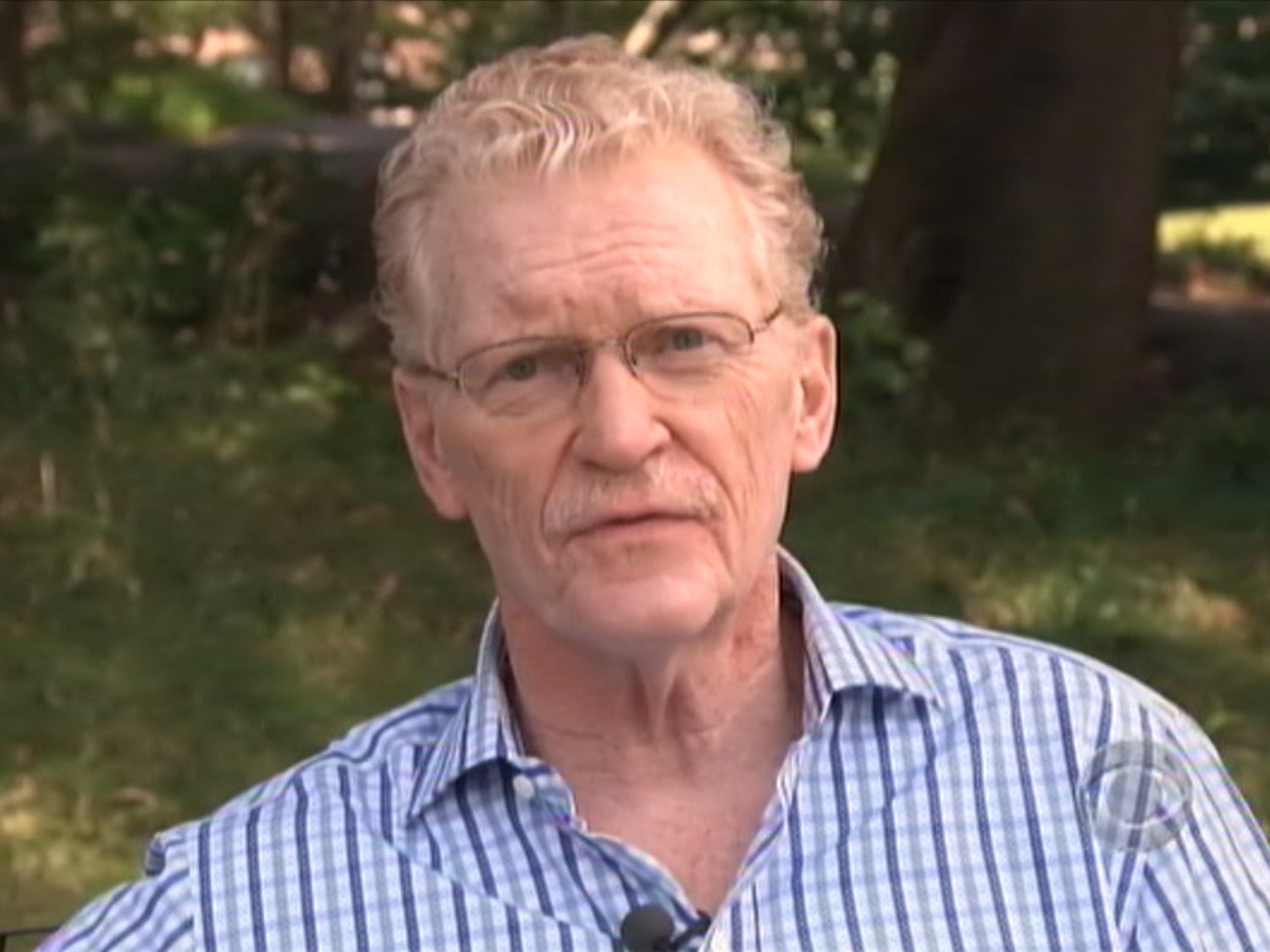
Willie Geist’s public discussion about his father’s Parkinson’s diagnosis also underscores the critical need for increased awareness and research funding. Parkinson’s disease affects millions worldwide, yet there is still no cure. By sharing his personal experience, Willie helps to humanize the disease and encourages others to learn more about its impact.
Supporting organizations dedicated to Parkinson’s research can lead to advancements in treatment and, ultimately, a cure. Families affected by Parkinson’s can also benefit from support groups, counseling, and educational resources to help manage the emotional and physical challenges of the disease.
How to Support Loved Ones Facing Parkinson’s Disease

If you have a family member or friend diagnosed with Parkinson’s disease, there are several ways to offer meaningful support:
– **Educate Yourself:** Understanding the symptoms and progression of Parkinson’s can help you provide better care and empathy.
– **Offer Emotional Support:** Be a compassionate listener and encourage open conversations about fears and hopes.
– **Assist with Daily Tasks:** Help with activities that have become difficult, such as cooking, cleaning, or transportation.
– **Encourage Medical Care:** Support regular doctor visits and adherence to treatment plans.
– **Promote Social Engagement:** Isolation can worsen symptoms; encourage participation in social activities and support groups.
By taking these steps, you can make a significant difference in the quality of life for someone living with Parkinson’s disease.
Conclusion
Willie Geist’s heartfelt revelation about his father’s worsening Parkinson’s disease serves as a powerful reminder of the challenges faced by those affected by this condition. His openness invites us all to show greater empathy and support for families dealing with chronic illnesses. If you or someone you love is impacted by Parkinson’s disease, remember that you are not alone—reach out for help, stay informed, and connect with communities dedicated to making a difference. To learn more about Parkinson’s disease and how you can contribute to research and support efforts, visit reputable organizations and consider getting involved today.


