

In the quiet town of Aldridge near Walsall in the West Midlands, Sean Egan spent nearly three decades building a life around his role at the local Morrisons supermarket. Starting at just 17 years old, Egan rose through the ranks to become store manager, a position he held with pride. Colleagues described him as a dedicated leader who went above and beyond, helping customers during epileptic seizures, supporting local charities, and fostering a positive community atmosphere. For Egan, Morrisons wasn’t just a job—it was his identity.
That all changed in December 2025 during a confrontation with a prolific shoplifter. What began as an attempt to follow company protocol ended with Egan physically restraining the thief after being spat at and threatened. Two days after his actions contributed to the offender’s conviction and imprisonment, Egan received the news that shattered his world: he was sacked for breaching Morrisons’ “deter and not detain” policy. The decision has ignited a firestorm of public anger, protests, boycott calls, and questions about corporate priorities in an era of rising retail crime.
The Incident: Duty Versus Policy
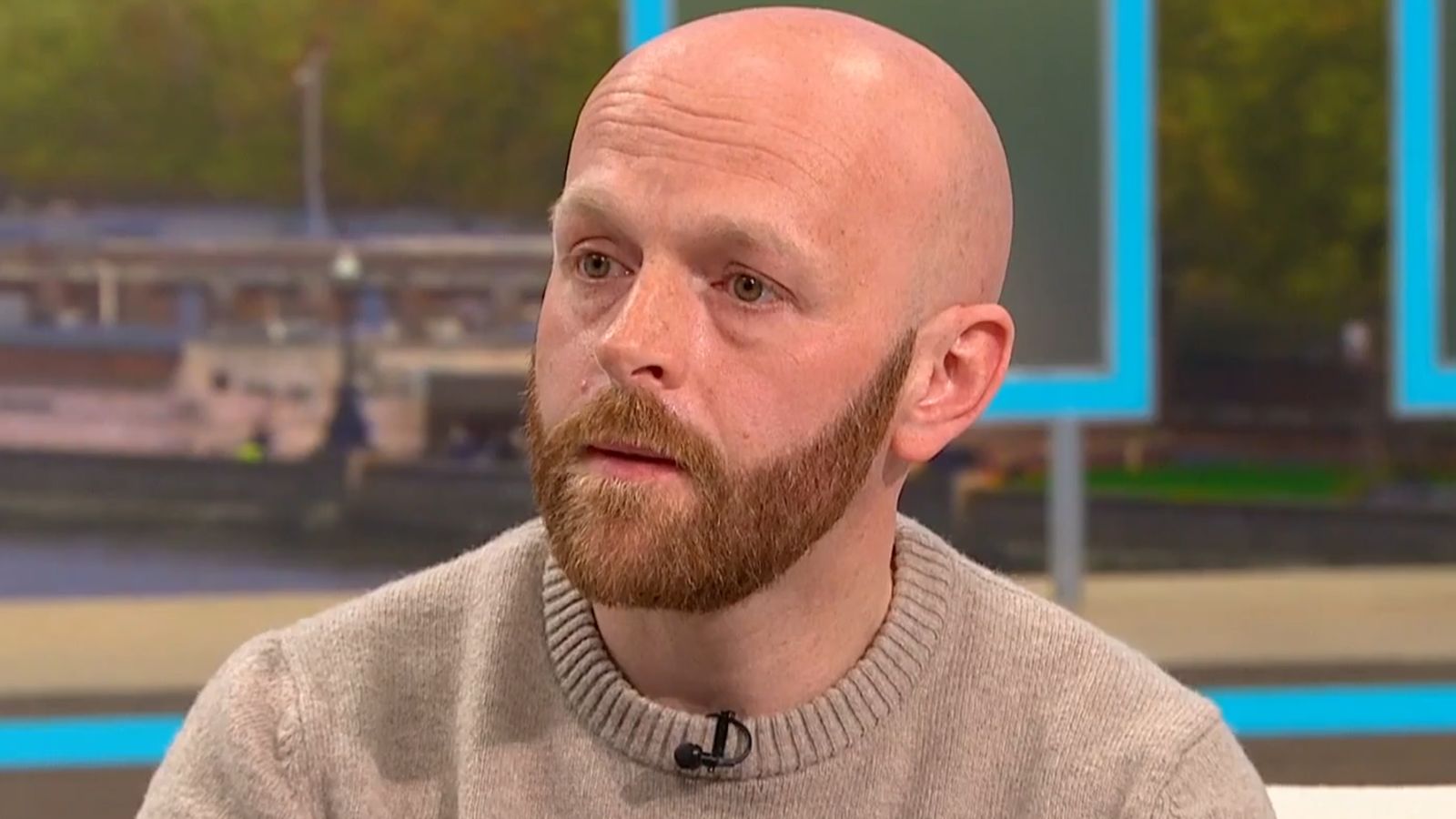
On that fateful December day, Egan spotted Daniel Kendall, a 36-year-old repeat offender well-known in the area. Kendall had more than 100 previous offences, including thefts from supermarkets and even an attempted break-in at a police officer’s home. According to reports, Kendall stole two bottles of Jack Daniel’s whiskey and other items. Egan approached calmly, as per training, offering assistance before escorting him toward the exit.
What happened next unfolded rapidly. Kendall became aggressive, spitting at Egan multiple times. In the heat of the moment, Egan reacted instinctively. “I stepped forward and I flung my arm back—that was my instant reaction,” he later recounted. “I grabbed his arm to stop him entering his bag to grab something, and then an altercation happened. My thought is, ‘I’ve got to stop this guy. I don’t know what he’s going to do, not only to me, but anybody else.’” Egan emphasized he was protecting his staff, customers, and the store’s stock after years of pressure to minimize losses.
Kendall was later jailed for 42 weeks at Wolverhampton Magistrates’ Court for the Morrisons theft and other crimes. Egan’s intervention played a key role in bringing the offender to justice. Yet, just days later, the company informed him his employment was terminated. “They told me that,” Egan has reflected bitterly in interviews, highlighting the sting of dismissal despite a lifetime of service and his role in securing a conviction.
Morrisons has stood firm, stating it cannot comment on individual cases but insists on strict adherence to health and safety procedures. “We have very clear guidance… which must be strictly followed,” a spokesperson said. “We will not ask colleagues to put themselves at risk where they could suffer unintended consequences.” The company highlights broader efforts to combat shoplifting through training and controls aimed at de-escalation.
A Life Upended: “I’ve Never Felt So Disposable”
At 46, Egan, a married father from Wolverhampton, says the sacking has left him “barely surviving” and questioning his worth. “It wasn’t just a job. It was my identity. My life. I’ve never felt so unheard, unseen and disposable in my entire life,” he told media outlets. After 29 years—more than half his life—at the same store, the abrupt end feels like a betrayal.
The timing amplified the shock. Public reports note the fallout came mere days after Kendall’s sentencing, where Egan’s account helped secure justice. Locals and customers who knew Egan as a helpful, community-oriented manager were left speechless. Many viewed it as punishing the wrong person while career criminals face lighter repercussions.
Public Backlash and Community Response

The story exploded across national media, sparking widespread outrage. Shoppers in Aldridge voiced disbelief. Local resident Daphne Bishop called the decision “absolutely disgusting” and urged a boycott: “What Morrisons have done to an employee after 29 years is disgraceful.” Others echoed the sentiment, with some vowing to shop elsewhere.
Protests gathered outside the Aldridge store, drawing hundreds in support of Egan. Demonstrators held signs demanding his reinstatement and criticizing corporate policies that they say embolden thieves. Egan addressed the crowd emotionally, thanking supporters: “It means the world to me. My family is with me here today.” He expressed no regret for defending himself and his team.
The case has tapped into broader frustrations with retail crime. Shoplifting has surged in the UK, with retailers like Morrisons, Waitrose, and Marks & Spencer highlighting thefts costing millions. Similar incidents, such as a Waitrose worker sacked over stopping an Easter egg thief, have fueled debates about “deter and not detain” rules versus real-world dangers. Crime and Policing Minister Sarah Jones has urged police action to protect workers.
Social media amplified the fury, with calls for boycotts trending and users sharing stories of unchecked theft. One customer noted Egan’s history of helping during medical emergencies, painting him as a pillar of the community now cast aside.
Morrisons’ Position and Ongoing Developments
Morrisons maintains its policies prioritize safety. In a letter to MP Wendy Morton, the company acknowledged public interest but refrained from deeper comment to avoid prejudicing Egan’s situation. Chief Executive Rami Baitieh has agreed to meet Egan this week, offering a potential path to resolution. Egan welcomes the discussion as a chance to share his side.
Critics argue such policies fail staff on the front lines. Retail workers face increasing abuse and violence, yet “do not detain” rules can leave them exposed without support. Egan’s case underscores the human cost: loyal employees feeling undervalued while thieves exploit lenient systems.
Wider Implications for Retail and Society
This isn’t isolated. Across the UK, supermarkets grapple with theft amid cost-of-living pressures and strained policing. Reports link some shoplifting to organized crime or substance issues, with offenders like Kendall accumulating lengthy records. Egan described him as a “well-known, prolific offender,” raising questions about repeat offending and deterrence.
For Egan, the personal toll is immense—financial insecurity, loss of purpose, and emotional strain on his family. Yet the outpouring of support has given him hope. Protests and media coverage have thrust retail worker protections into the spotlight, potentially pressuring chains to review policies.
As Egan prepares for his meeting with Morrisons’ leadership, the public watches closely. Will the company reinstate a man who gave 29 years, or will policy rigidity prevail? His story resonates because it pits everyday heroism against corporate bureaucracy. In an age where shoplifters often walk free, many ask: who protects those who protect the stores?
Egan’s words capture the heartbreak: dedicated his whole life, only to be told “that” when it mattered most. The Aldridge community and thousands more demand better—for him and for all retail workers facing similar dilemmas daily. Whether this leads to policy change or remains a cautionary tale, one thing is clear: loyalty cut short by a split-second decision in the line of duty has struck a national nerve.


